Catalogue
Think like them. Think better.
What if you could borrow the way a great mind thinks — not just what they know, but how they see? Every domain of human excellence has its own cognitive signature. A way of framing problems, weighing evidence, tolerating uncertainty, and making moves that others can't yet imagine. Think Like Great Minds goes inside those signatures — and puts them in your hands.
View full profile →Change the lens, change the decision.
Thinking Paradigms is a LearningFirst channel about the mental frames that shape what people notice and decide. Each collection takes one paradigm — luck, strategic thinking, systems — and turns it from a vague intuition into a skill that can be named, practiced, and taught. Written for professionals, founders, and investors who don't lack information but need a better lens.
View full profile →
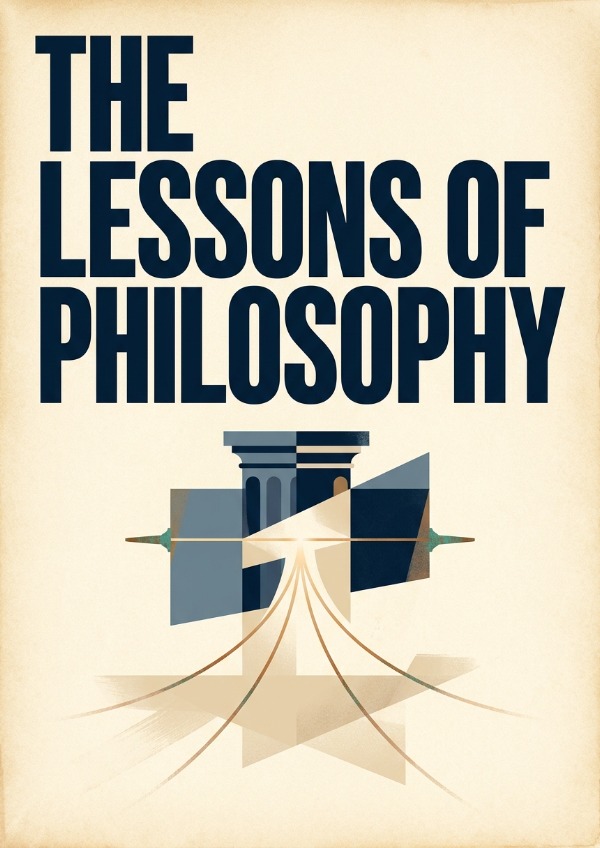
What the great philosophical traditions figured out that still works as a thinking tool.
Decision-making under uncertainty, from the discipline with the most honest feedback
Mental models from history's greatest competitive thinkers — organized by principle, not person

Strategic literacy for a life that lasts — game theory, leverage, risk, career architecture, and meaning across a century

The capacities AI structurally cannot develop — and how to build them on purpose

Two complementary lenses for navigating complexity — structural thinking to see the skeleton, systematic thinking to see the dynamics

The philosophical toolkit for thinking, deciding, and living — organised by the problems it solves

The conditions that produce innovation and the skills that let you contribute to it

The anatomy of innovation — what conditions, forces, and human factors make innovation happen, and what kills it.

A methodical approach to seeing systems, finding feedback loops, and changing the structures that produce results

How to read the operating system that runs beneath the official story

The cognitive methods behind structured self-reflection — from Marcus Aurelius to Montaigne
Ancient Masters to AlphaGo — portable principles of strategy from the world's deepest game

Answer first. Group by kind. No gaps, no overlaps.

How professional intermediaries price, structure, and close the deals others can't

How skill, chosen risk, and chance combine, and how to act well inside the mix

How elite discretionary investors find an edge, size conviction, and survive being wrong

How great finance leaders make the numbers tell the truth — and make the truth change decisions

Many small edges, honestly tested, patiently compounded

Behavior makes sense once you see the system that produced it

Ownership thinking with a deadline: buy well, build value, exit on purpose

The portable toolkit for seeing what a choice really costs and what happens next

How the people who own the whole choose, allocate, select, and decide

The mental models that power strategic influence — applied far beyond the negotiating table.

The mental models that power voluntary engagement — and work everywhere.

Build arguments that hold, find the right abstraction, and know when something is actually true.

Not about technology — about mind. What AI formalized, translated back into yours.

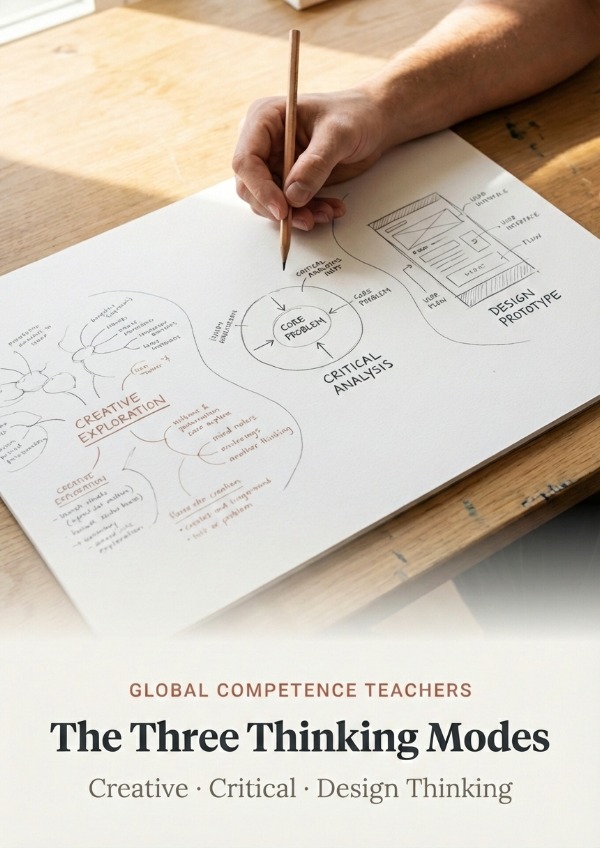
Three ways of thinking. One complete process.

AI can think for you. The question is whether you still want to.
Shelf in progress
Our editors are preparing new reading for this section. Check back as the shelf grows.