- Who it's for
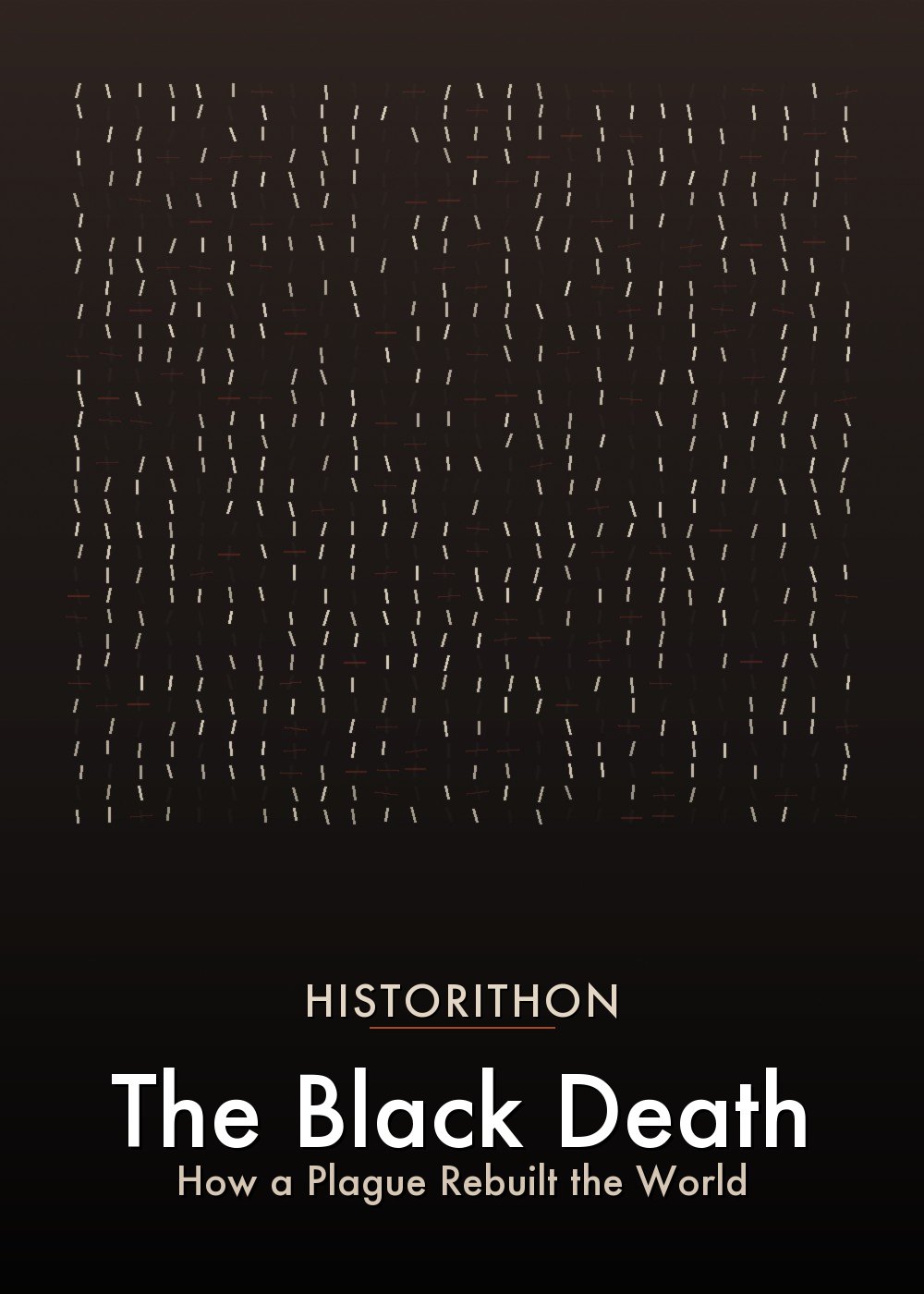
- Readers who want the Black Death treated as history rather than horror — students of medieval history, epidemiology and the social sciences, and anyone who came away from a recent pandemic wondering how societies actually behave when mortality outruns institutions.
- What stands out
- It refuses to stop at the death toll. Half the collection is devoted to the interval between arrival and adjustment — flagellant processions, the well-poisoning conspiracy, physicians in flight, the first plague ordinances — with the chronology laid out precisely enough to show, for instance, that in city after city the massacres preceded the plague.
- Read if
- You want to know why the death toll was so high rather than just how high; why quarantine was invented in Ragusa in 1377 and still carries a Venetian name; and how a catastrophe that destroyed a third of a continent's people ended up loosening the grip of serfdom.
![[Envirothon] The Carbon Cycle — How Carbon Became Civilization’s Problem](https://ap.knowit.today/envirothon_carbon_cycle_cover_v2_1789528357.jpg)
![[Geothon] Cities - Why 56% of Humanity Chose to Live in One Place](https://ap.knowit.today/geothon_cities_collection_cover_v2.jpg)