LearningFirst for Educators
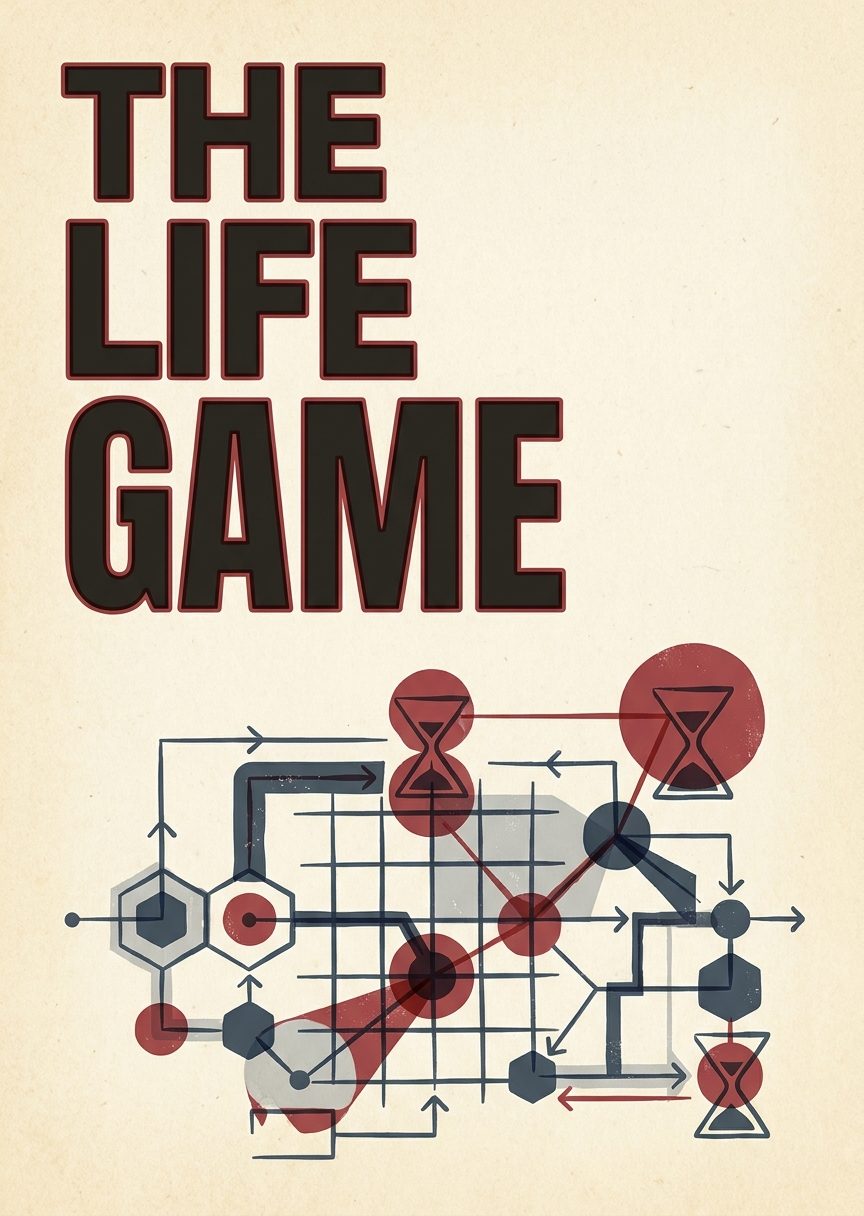
The Life Game
A teaching program that treats life as a strategic landscape — drawing from game theory, decision science, wealth mechanics, career architecture, and philosophy to build the toolkit for navigating a long life intentionally. Students develop strategic literacy: the ability to think about leverage, compounding, risk, and meaning across decades rather than reacting to whatever is in front of them.
An educator-led course, supported by structured reading and the LearningFirst learning platform.
About the program
This course spans eleven modules covering the full arc of life strategy: game theory foundations, leverage and compounding, education as strategy, risk and portfolio thinking, wealth mechanics, competition and cooperation, career architecture, resilience, foresight, the century life, and meaning. Educators guide students through frameworks that connect immediate decisions (education choices, career moves, financial habits) to long-term outcomes. The course is direct and honest — no motivational platitudes, no academic abstraction. Each session combines guided reading with strategic analysis exercises, decision frameworks, and reflective writing.
Curriculum & takeaways
Built on the core textbook The Life Game
What learners take away
- 5game theory foundations — finite vs infinite games, visible and hidden rules, players and positions, why 'winning' is the wrong frame
- 8strategy and leverage sessions — strategy vs plan, compounding, leverage types, short vs long-term signals, reversible decisions, resource allocation, outsourcing, tactics without strategy
- 6education strategy sessions — what university buys, the prestige question, degrees, gap years, how we learn, the layers of learning
- 5risk and portfolio sessions — risk vs danger, expected value, portfolio approach, antifragility, the risk you never took
- 7wealth and freedom sessions — financial freedom definitions, how wealth is built, leverage types, the crossover point, staying broke, luxury, cost of owning
- 4competition and luck sessions — zero-sum vs positive-sum, cooperation as strategy, consensus and networks, the role of luck
- 9career architecture sessions — trend-riding, micro-trends, portfolio careers, optionality, parallel experiments, pivots, company of one, CEO mindset, second acts
- 5resilience sessions — variance vs failure, drawdowns, resilience as skill, traps that keep people stuck, strategic use of failure
- 5foresight sessions — linear thinking trap, S-curves and tipping points, booms and crashes, systemic shocks, building foresight
- 6century life sessions — the three-stage life, career phases, reinvention windows, what success means at different ages, life priorities by decade, the expectations trap
- 5meaning sessions — the meaning question, competing value systems, purpose and strategy, legacy and contribution, playing the long game
Curriculum structure
11 modules · 10 key concepts01 Life Is a Game
The game metaphor taken seriously — finite vs infinite games, visible and hidden rules, why treating life as strategic is clarifying rather than cynical.
02 Strategy, Leverage, and Compounding
How to think about choices that compound over decades — leverage as force multiplier, short-term noise vs long-term signal, and why most life advice is tactical when the real leverage is strategic.
03 Education as Strategy
What universities, degrees, gaps, and different forms of learning actually buy you — and the layers of learning from knowledge to taste.
04 Understanding Risk
Why most people misunderstand risk, the portfolio approach to life decisions, asymmetric bets, antifragility, and the risk you never took.
05 Leverage, Wealth, and Financial Freedom
How wealth is actually built, what financial freedom means, the types of leverage, and why understanding money mechanics is a life strategy.
06 Competition, Cooperation, and Luck
Zero-sum vs positive-sum games, cooperation as strategy, consensus and network effects, and positioning yourself where luck can find you.
07 Career Architecture
Why career speed depends on the trend you are riding — micro-trends, optionality, parallel experiments, pivots, and the company of one.
08 Managing Ups and Downs
The inevitability of setbacks, the traps that keep people stuck, resilience as a trainable skill, and the strategic use of failure.
09 Why the Future Surprises Us
Why humans default to linear thinking, S-curves and tipping points, systemic shocks, and building foresight as a practice.
10 The Century Life
What changes when life is 80-100 years — career phases, reinvention windows, life priorities by decade, and the expectations trap.
11 Meaning and the Long Arc
What the game is ultimately for — competing value systems, purpose and strategy, legacy and contribution, and playing the long game.
Core understanding
- Life is a game you are already playing — the difference between people who navigate it well and those who do not is strategic literacy, not talent or luck.
- Compounding is the most powerful force in a long life — skills, relationships, reputation, and capital all compound, and early decisions matter more than late ones.
- Leverage separates linear effort from exponential results — understanding which forms of leverage to build is one of the most consequential strategic decisions.
- The portfolio approach to life decisions is the most powerful strategic framework — running parallel experiments reduces catastrophic risk and reveals opportunities you could not have predicted.
- A century life contains at least three natural reinvention windows — and using them deliberately is the difference between a long life well-played and one merely survived.
- Meaning is not found but constructed — through commitment, contribution, and connection, and the question of what the game is for transforms every earlier decision.
Questions students will explore
- What kind of game is life — and why does treating it as a strategic landscape produce better decisions than either planning or reacting?
- How does leverage work — and which forms of leverage compound over a career while others hit a ceiling?
- Why is the portfolio approach to life decisions more powerful than betting everything on a single path?
- What changes when life lasts 80-100 years — and how do the strategic priorities shift across decades?
- What is the relationship between strategy and meaning — and why does the question of what the game is for transform every earlier decision?
Key concepts
- Finite vs Infinite Games
- Leverage and Compounding
- Education as Strategy
- Portfolio Risk
- Financial Freedom
- Career Architecture
- Antifragility
- The Century Life
- Reinvention Windows
- Meaning and Purpose
Course-specific outcomes
Students will be able to:
• Apply game theory concepts (finite vs infinite games, leverage, compounding) to life decisions
• Evaluate education, career, and financial choices using portfolio thinking and expected value
• Identify and build different forms of leverage (labour, capital, code, media)
• Recognise the reinvention windows in a century-length life and plan for multiple career phases
• Assess risk analytically — distinguishing danger from calculated exposure to upside
• Articulate what meaning, purpose, and legacy look like in a strategic life framework
Assessment & accreditation
LearningFirst connects course learning, assessments, results, and student records in one system. Where included, examination and accreditation services are supported by Extracurricular Activity Excellence International Pte. Ltd. (EAE), whose registered Singapore business activity is “Examination and accreditation agencies for education services” (SSIC 85502). Any award remains subject to the course’s stated requirements.
Demonstrate understanding
Students take LearningFirst’s course assessments to show what they have learned.
Earn a certificate
Students who meet the required standards receive a certificate identifying its awarding entity and assessment standards.
Record the achievement
A learning transcript documents assessment results as part of the student’s learning record.
Lasting value, beyond the course
Achievements students can carry forward
Certificates, earned credits, and learning transcripts become lasting assets in each student’s learning portfolio—evidence of knowledge, effort, and achievement they can build on and present throughout their lives.
- Further study
- Professional development
- Future careers