You are not an object waiting to be discovered. You are an author writing a story.
Self-knowledge is not a personality test or a single answer. It's a discipline — built through excavation, pattern recognition, narrative, and reality-testing.
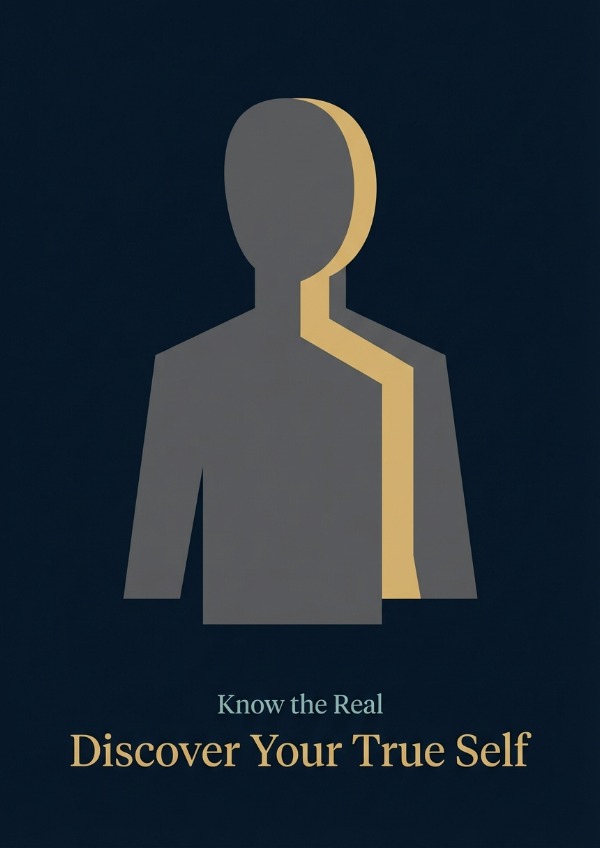
A field guide to knowing yourself when the world is loudest.
A student collection for ages 16–22. Equips young people with the thinking frameworks, reflective practices, and self-examination tools needed to understand who they genuinely are — separate from external pressure, parental expectation, peer benchmarks, and social performance. Follows a four-phase journey (excavating the past, reading patterns, building a narrative, testing against reality) with applied sections on college applications, major/career choices, ongoing practice, and an optional theory library.
Hover a module to read it directly
Why this is harder than adults made it sound — and where to start anyway.
Why this is harder than adults made it sound — and where to start anyway.
Your life is the most reliable data you'll ever have. Learning to read it.
Your life is the most reliable data you'll ever have. Learning to read it.
Your choices are a values autobiography. Pattern fluency makes them visible.
Your choices are a values autobiography. Pattern fluency makes them visible.
Identity is a story you author, not a self you discover.
Identity is a story you author, not a self you discover.
Signal vs. adjustment cost: learning to tell one from the other without quitting too soon.
Signal vs. adjustment cost: learning to tell one from the other without quitting too soon.
Writing a personal statement from the inside out — not the admissions-committee out.
Writing a personal statement from the inside out — not the admissions-committee out.
Choosing from the inside, not from rankings — and navigating family pressure honestly.
Choosing from the inside, not from rankings — and navigating family pressure honestly.
The reflection habits that keep self-knowledge compounding after this collection ends.
The reflection habits that keep self-knowledge compounding after this collection ends.
The academic foundations, for the curious — Erikson, Marcia, McAdams, Flow, Jung, VIA.
The academic foundations, for the curious — Erikson, Marcia, McAdams, Flow, Jung, VIA.
“The rare adolescent self-knowledge collection that treats young readers as adults capable of hard work.”
Built on one conviction — identity is authored, not discovered — and the whole collection extends from that premise. The four-phase journey (archaeology, pattern recognition, narrative, reality testing) is more disciplined than most adult self-help, and earns its keep in the applied college-essay chapters.
You are not an object waiting to be discovered. You are an author writing a story.
Self-knowledge is not a personality test or a single answer. It's a discipline — built through excavation, pattern recognition, narrative, and reality-testing.
A channel for young people ages 16–22 doing the hard work of knowing themselves honestly — separate from external pressure, parental expectation, and social performance.
Ranked by semantic similarity
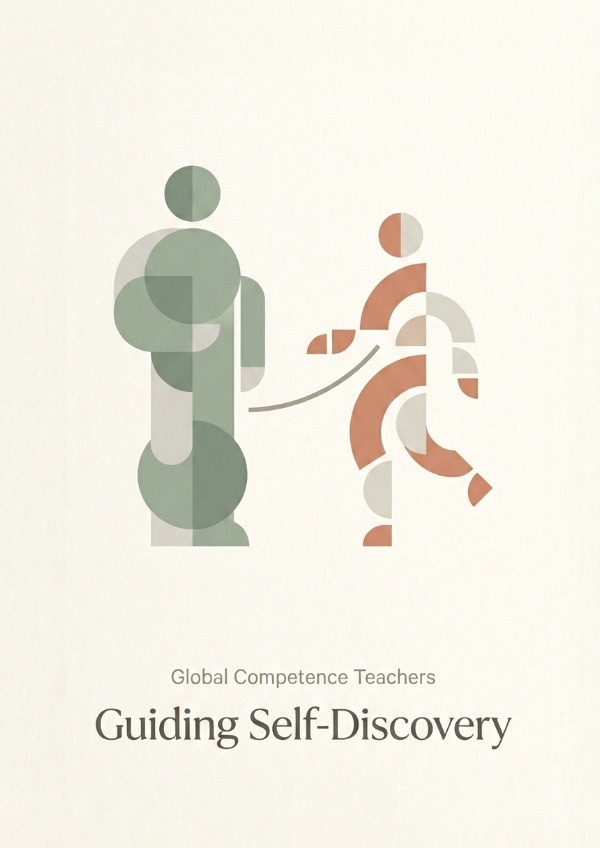
A counselor's framework for guiding — not directing — a young person's self-discovery.
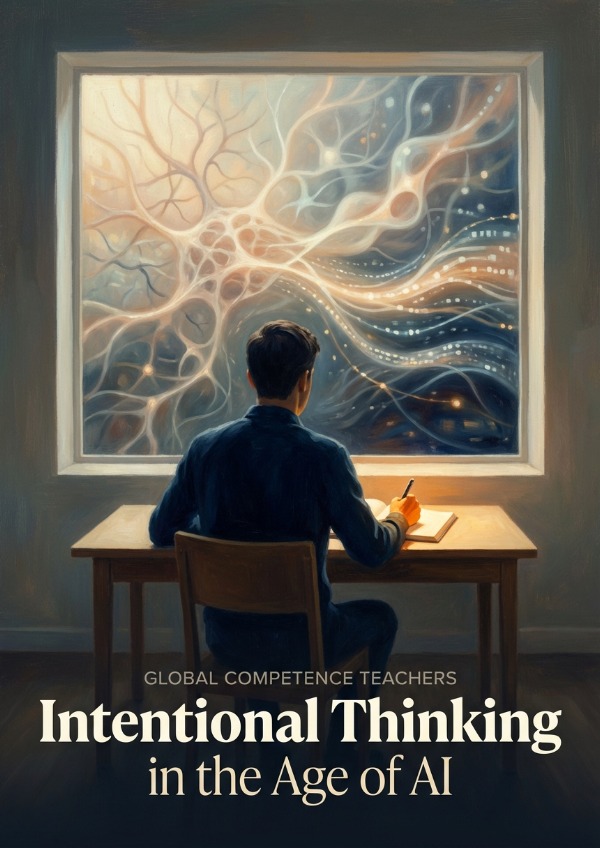
AI can think for you. The question is whether you still want to.
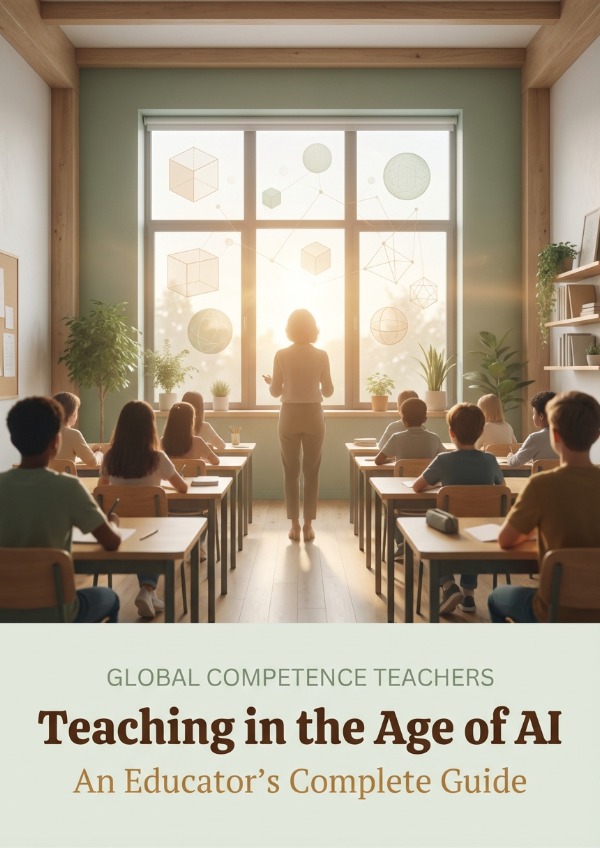
AI didn't just change what students can do. It changed what teaching is for.