AI didn't just change what students can do. It changed what teaching is for.
Your job is no longer to transmit knowledge — students can get that from a machine. It's to build the human capacities AI cannot teach.
AI didn't just change what students can do. It changed what teaching is for.
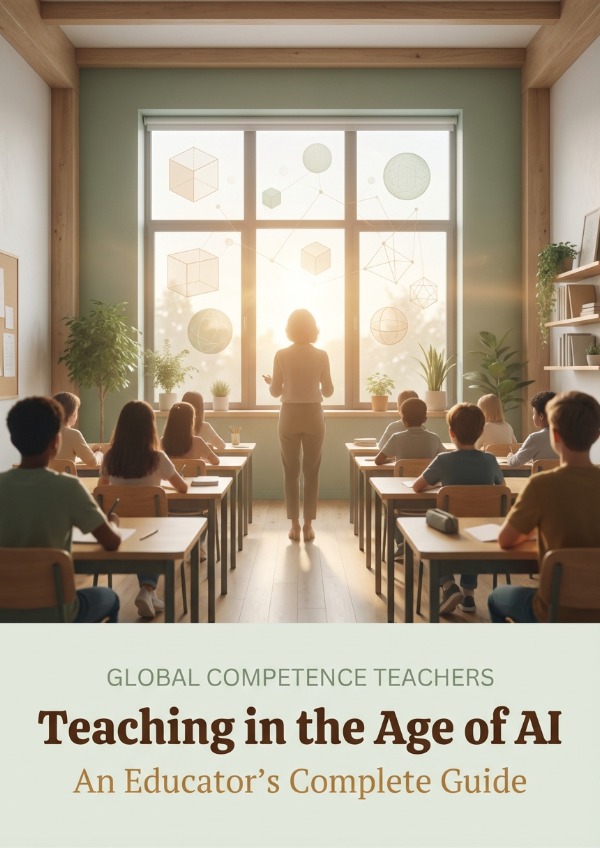
A complete guide for educators across 10 modules — from the new classroom reality and the philosophical foundation of what learning is actually for, through the educator's new curriculum obligation, rethinking assessment, handling student AI use, guiding students to use AI well, AI as your teaching partner, subject-specific guidance, the institutional and ethical layer, and the future of teaching itself. Designed to give educators a structured playbook where almost none exists today.
Hover a module to read it directly
Honest orientation — what has actually changed and what hasn't.
Honest orientation — what has actually changed and what hasn't.
The philosophical spine. Without this, everything else in the collection is tactics without foundation.
The philosophical spine. Without this, everything else in the collection is tactics without foundation.
The curriculum nobody assigned but every teacher now owns.
The curriculum nobody assigned but every teacher now owns.
The most urgent practical challenge. If AI can do the assignment, what are you actually assessing?
The most urgent practical challenge. If AI can do the assignment, what are you actually assessing?
The day-to-day reality of students and AI in your classroom.
The day-to-day reality of students and AI in your classroom.
Shifting from policing to teaching. Your most leverage-rich role.
Shifting from policing to teaching. Your most leverage-rich role.
Your own productivity, creativity, and professional capacity.
Your own productivity, creativity, and professional capacity.
The implications are not the same across subjects.
The implications are not the same across subjects.
Beyond the classroom — the broader responsibilities educators carry.
Beyond the classroom — the broader responsibilities educators carry.
The philosophical and professional horizon.
The philosophical and professional horizon.
“The first collection that takes the question seriously: if AI can do the homework, what is teaching actually for?”
Refuses to answer with prompt templates and lesson-plan tips. It builds a philosophical foundation — Module 2's taxonomy of knowledge types earns the whole collection — and derives every tactical chapter from it. The assessment and student-AI-use sections are the most honest I have read anywhere.
AI didn't just change what students can do. It changed what teaching is for.
Your job is no longer to transmit knowledge — students can get that from a machine. It's to build the human capacities AI cannot teach.
A channel for educators and reflective practitioners building the human capacities AI cannot teach: thinking, self-knowledge, and the disciplines of genuine learning.
Ranked by semantic similarity
AI can think for you. The question is whether you still want to.