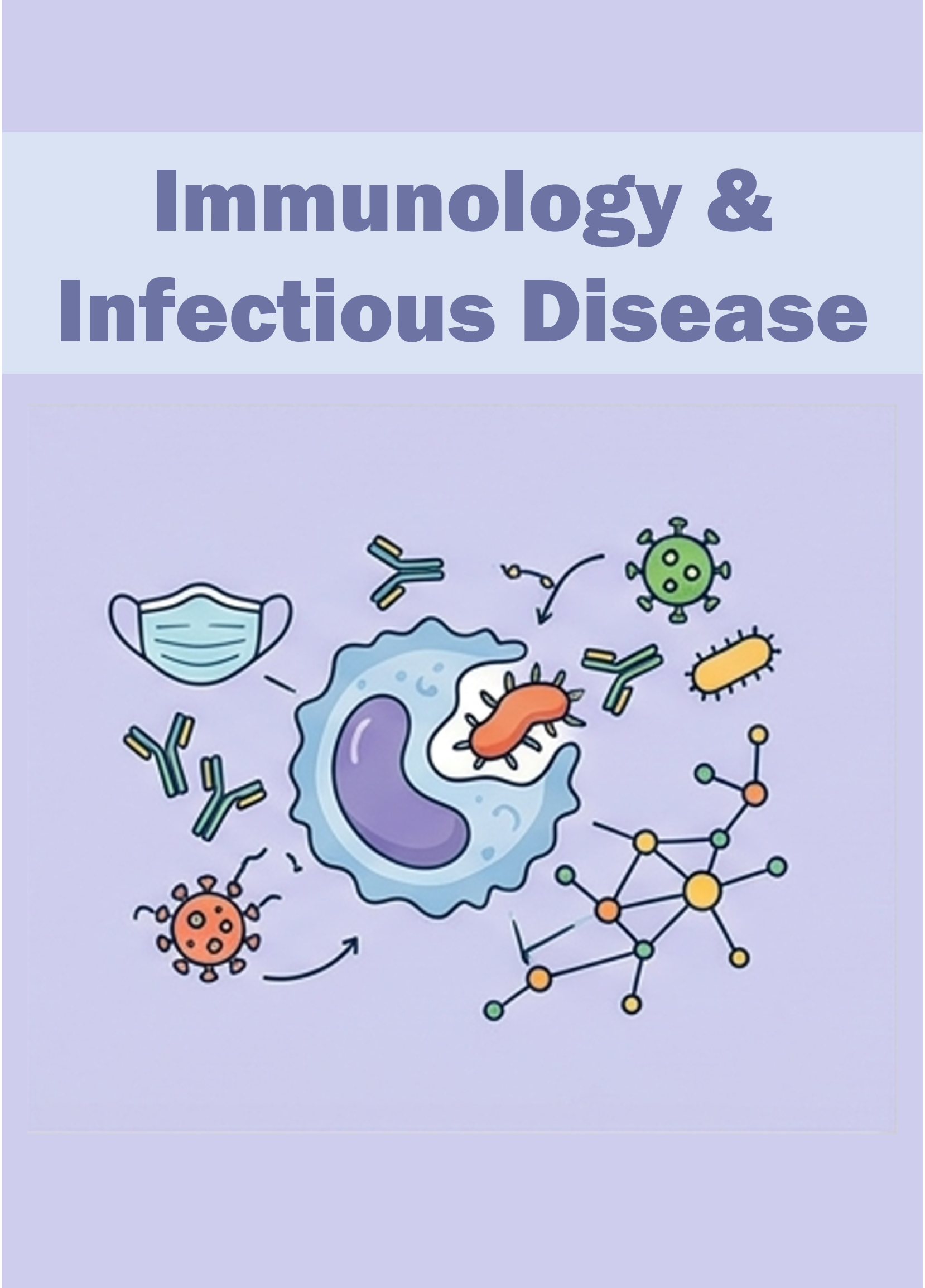
Biothon - Immunology & Infectious Disease
Last revised 5/21/2026

Biothon - Immunology & Infectious Disease

Secondary

Innate and adaptive immunity, microbial pathogenesis, autoimmunity, vaccines, and the epidemiology of emerging infectious diseases — taught at Biothon competition rigor.

A comprehensive study collection for the Biothon biology competition covering immunology and infectious disease. Topics span innate immunity (physical/chemical barriers, pattern recognition receptors, complement system, inflammation), adaptive immunity (MHC and antigen presentation, T cell biology, B cells and antibodies, clonal selection and memory), microbiology of infectious disease (bacterial pathogenesis, viral replication, fungal/parasitic infections, the human microbiome), immune system disorders (autoimmunity, immunodeficiencies, hypersensitivity, transplant and tumor immunology), vaccines and immunotherapy (vaccine types, mRNA vaccines, adjuvants, CAR-T therapy, checkpoint inhibitors), epidemiology and public health (disease transmission, herd immunity, surveillance, One Health), and emerging infectious diseases and antimicrobial resistance (pandemic preparedness, antibiotic resistance, novel antimicrobials). Designed for advanced high school students with emphasis on modern immunotherapies and global health.

Academic primerBiology olympiad prep
Earn3CreditsinBiology
7Modules26Sessions255Cards85Quizzes

Modules in this Collection’s System

Hover a module to read it directly

Innate Immunity

Pattern recognition receptors, complement, phagocytes, and the innate immunity that responds within minutes of infection.

Subscription-free content inside
4Sessions

Adaptive Immunity

B cells, T cells, antibody diversity (VDJ recombination), and the adaptive immunity that remembers and refines.

4Sessions

Microbiology of Infectious Disease

Bacterial, viral, fungal, and parasitic pathogens — the microbiology behind infectious disease and the mechanisms each pathogen exploits.

4Sessions

Immune System Disorders

Autoimmunity, immunodeficiency, allergy, and the consequences of immune dysregulation.

4Sessions

Vaccines and Immunotherapy

Vaccine platforms, immunotherapy, monoclonal antibodies, and CAR-T — the engineered uses of the immune system.

4Sessions

Epidemiology and Public Health

Epidemiology, R₀, herd immunity, and the public-health frameworks that turn microbiology into policy.

3Sessions

Emerging Infectious Diseases and Antimicrobial Resistance

Emerging zoonotic disease, One Health framework, antimicrobial resistance, and pandemic preparedness.

3Sessions

What You'll Walk Away With

  • 1innate vs. adaptive immunity reference with the cell types, mechanisms, and timing of each branch
  • 1antibody and T-cell receptor toolkit explaining VDJ recombination, antibody isotypes, and the antigen-presentation pathways (MHC class I and II)
  • 1vaccine platform comparison covering live attenuated, inactivated, subunit, viral vector, and mRNA — with immunogenicity, manufacturing, and cold-chain tradeoffs
  • 1autoimmunity diagnostic map linking failed tolerance mechanisms to specific autoimmune conditions and current treatment paradigms
  • 1emerging infectious disease + AMR briefing covering zoonotic spillover, the One Health framework, and the global response to antimicrobial resistance

You'll Have Answers To

  • ?How does VDJ recombination let a finite genome produce more than 10⁶ distinct antibody specificities?
  • ?Why does the immune system distinguish self from non-self — and what happens when that tolerance fails?
  • ?How do mRNA vaccines actually work, and what's the case for and against the platform's broader use?
  • ?Why is antimicrobial resistance accelerating — and what makes it so difficult to develop new antibiotics?
  • ?What does One Health add to the framework for understanding emerging zoonotic diseases (COVID-19, Ebola, MERS)?

Critical Concepts Explored

Innate immunity and pattern recognition receptorsAdaptive immunity: B cells, T cells, antibodiesVDJ recombination and antibody diversityMHC class I and II antigen presentationCytokines and chemokinesAutoimmunity and tolerance failureMicrobiome and immune homeostasisVaccine platforms (live attenuated, inactivated, subunit, mRNA, viral vector)Epidemiology and reproduction number (R₀)Antimicrobial resistance and stewardship
Editor's Note
Immunology and infectious disease taught with both molecular precision and clinical relevance

This collection earns its 'comprehensive' framing — innate and adaptive immunity at molecular precision, every major vaccine platform, the autoimmunity tolerance failure, the microbiome's role, and a serious treatment of antimicrobial resistance and pandemic preparedness. The COVID-19 mRNA-vaccine sections give the platform the rigorous treatment it deserves.

Editor's Brief
Who it's for
Biothon and IBO competitors preparing for immunology and infectious disease rounds, pre-medical students who want immunology taught at the molecular level, and any reader interested in vaccines, autoimmunity, and antimicrobial resistance.
What stands out
Innate and adaptive immunity, microbiology, autoimmunity, vaccines, and antimicrobial resistance are taught as one connected discipline — every section feeds the next.
Read if
You want to understand how mRNA vaccines actually work, why autoimmunity happens, how antimicrobial resistance evolves, and why pandemics will keep emerging — at the level of the biology.
Gold Quotes
VDJ recombination lets a finite genome produce more than 10⁶ distinct antibody specificities. It's one of biology's most elegant solutions to the combinatorial-diversity problem.

Antibody heavy chains are assembled from V (variable), D (diversity), and J (joining) gene segments — with imprecise junctions adding further diversity. Light chains use V and J only. Combinatorial assembly across multiple gene segments + somatic hypermutation in germinal centers + class switching between isotypes produces the breadth and specificity needed to cover any conceivable antigen.

About the Curator
AAcademic Marathon

Academic Marathon is the editorial voice behind LearningFirst's Physithon and Biothon competition-prep collections — producing rigorous, mathematically grounded primers across the cutting-edge sub-disciplines of physics and biology that competition-track high-school students need to know.

Biothon - Immunology & Infectious Disease | LearningFirst